Flatfoot is not just a structural finding — for many patients it’s a progressive condition that worsens over time and limits activity in ways that orthotics and physical therapy can only manage, not resolve.
Not all flat feet are the same
Flatfoot — or pes planus — refers to a loss of the normal medial arch of the foot. While many people have flat feet without symptoms, others develop progressive pain, dysfunction, and deformity that significantly impacts how they walk, exercise, and live.
At Bespoke Podiatry, we treat two distinct presentations that require very different approaches.
Adult acquired flatfoot (PTTD)
Progressive collapse in adulthood
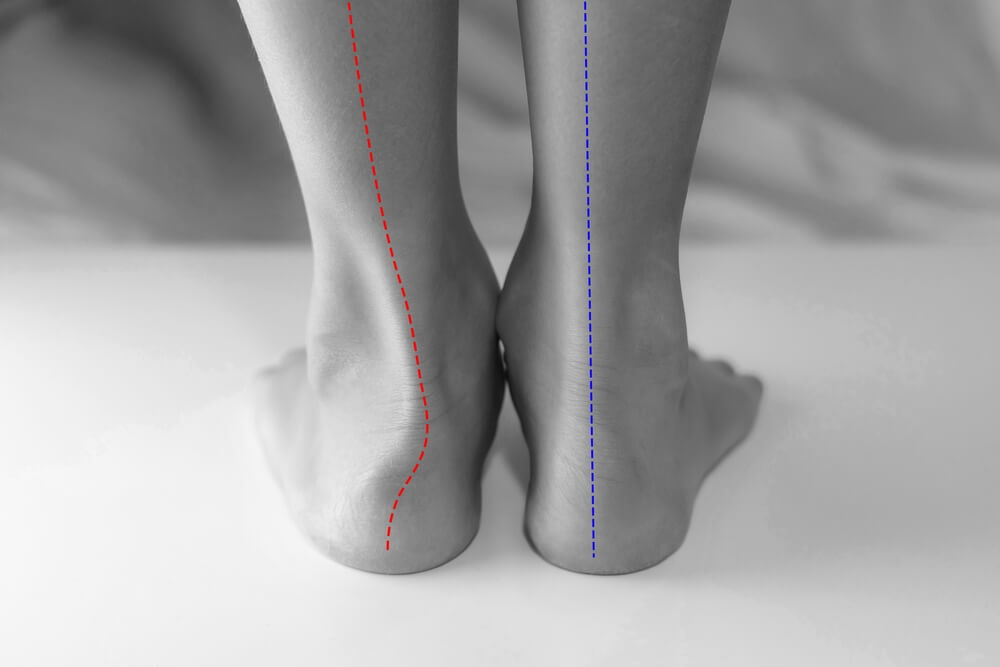
Caused by dysfunction or rupture of the posterior tibial tendon — the primary support structure of the medial arch. Develops gradually, often in middle-aged adults, and progresses through distinct stages from flexible to rigid deformity. Early stages are manageable conservatively; advanced stages typically require surgical reconstruction.
Flexible flatfoot
Arch present at rest, collapses on standing
The arch is visible when non-weight bearing but flattens completely on standing. Common in younger and active patients. Symptomatic flexible flatfoot that has not responded to conservative care may be a candidate for surgical correction to restore arch mechanics and reduce long-term strain on the ankle and knee.
“Orthotics can offload a flat foot. Surgery can restore it. For patients who are ready for a more permanent solution, reconstruction is worth the conversation.”
— Dr. Michael Collins, DPM
Conservative care vs. surgical reconstruction
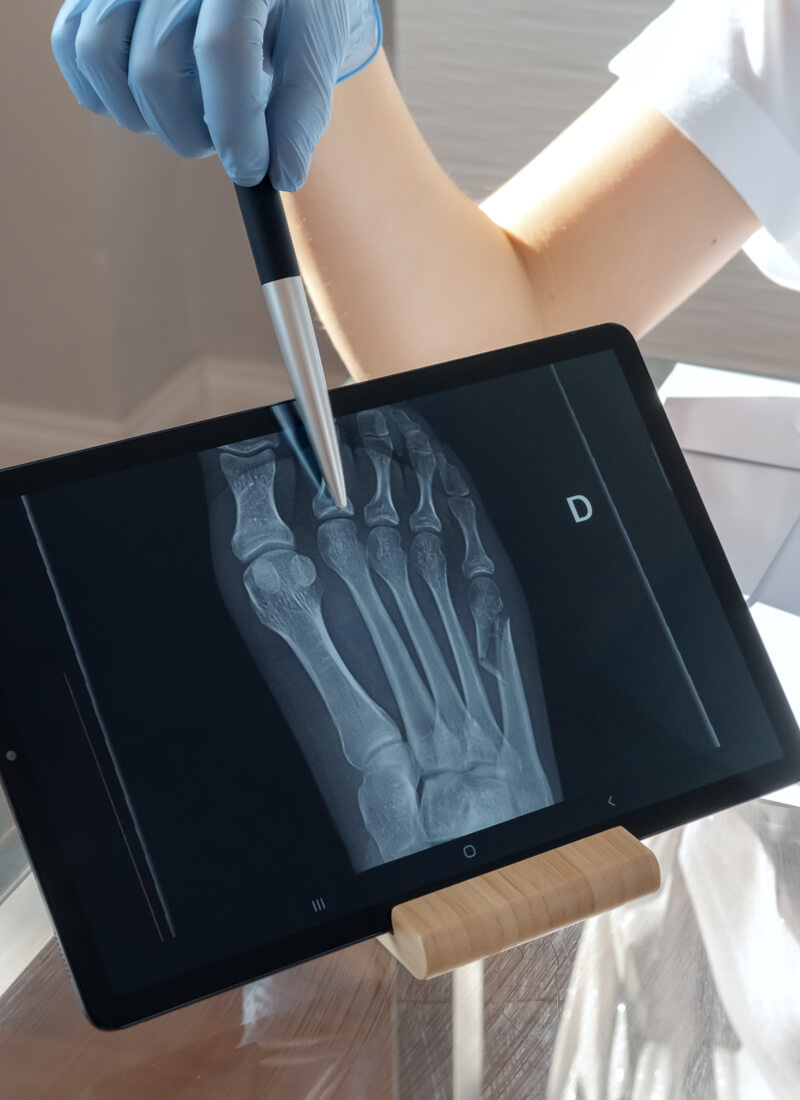
Treatment depends on the stage of deformity, the severity of symptoms, and whether the foot remains flexible or has become rigid. Dr. Collins performs a comprehensive evaluation including weight-bearing X-rays and clinical staging before recommending a course of action.
Conservative
For early-stage and flexible flatfoot
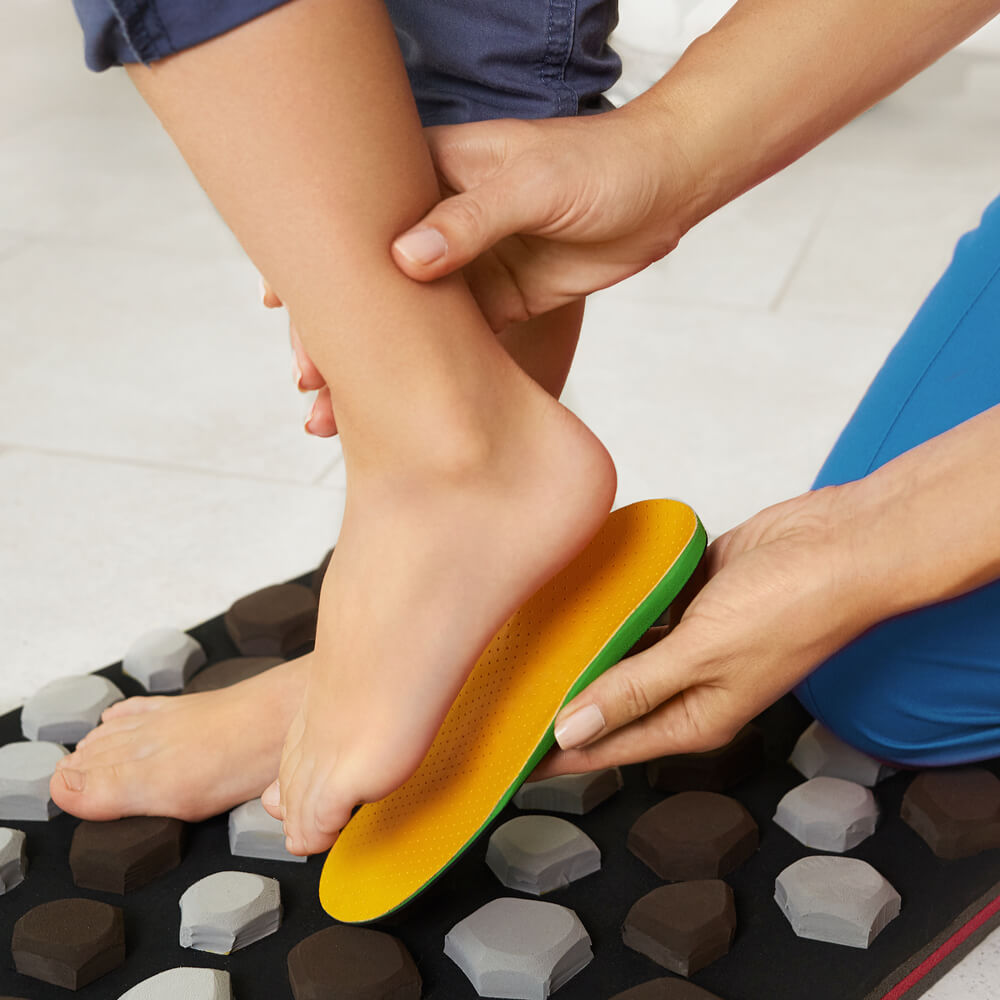
- Custom orthotics to support arch and reduce tendon strain
- Physical therapy focused on posterior tibial tendon strengthening
- Supportive footwear modifications
- Immobilization boot for acute PTTD flares
- PRP injection for posterior tibial tendon tendinopathy
- Appropriate for early-stage PTTD and symptomatic flexible flatfoot
Surgical
For progressive or failed conservative care
- Tendon transfer and calcaneal osteotomy for PTTD
- Lateral column lengthening to restore arch alignment
- Medializing calcaneal osteotomy for hindfoot valgus
- Subtalar or triple arthrodesis for rigid deformity
- Tailored to deformity stage, flexibility, and patient goals
Surgical planning for flatfoot reconstruction is highly individualized. The specific procedures recommended will depend on your clinical staging, imaging findings, and activity goals. This will be discussed in detail at your consultation.
What to expect after flatfoot reconstruction
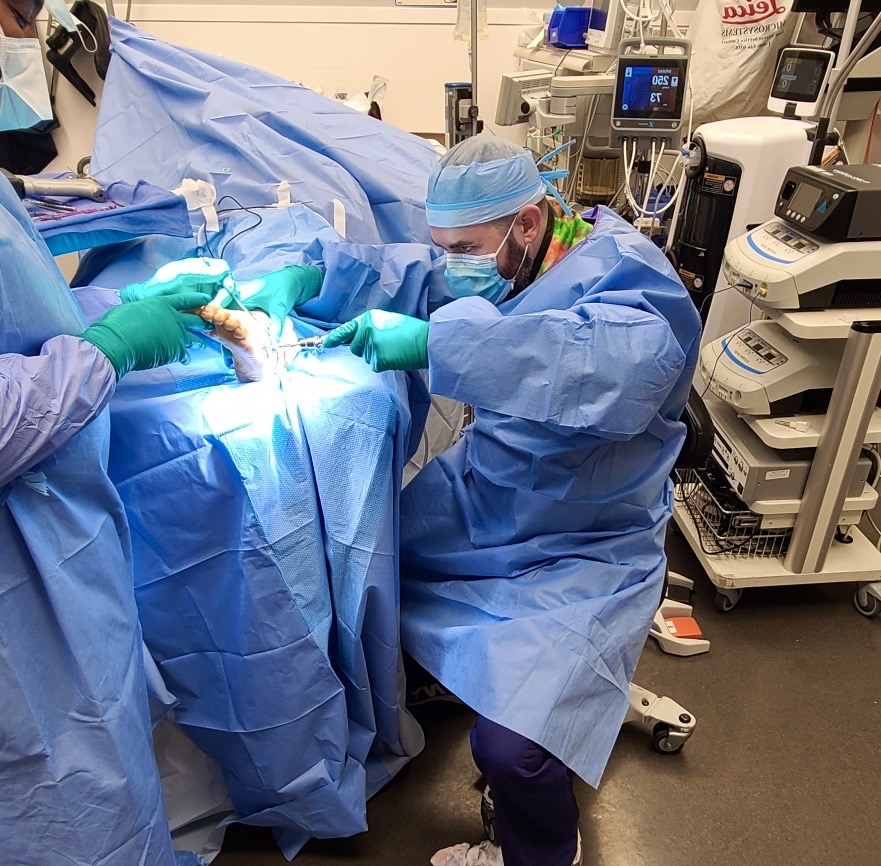
Flatfoot reconstruction is one of the more involved recoveries in foot and ankle surgery. Multiple procedures are often performed in a single setting, and the healing timeline reflects the complexity of restoring arch architecture rather than correcting a single structure.
Day 1
Outpatient procedure. All patients go home the same day in a splint, non-weight bearing initially.
Weeks 1–6
Non-weight bearing in cast or boot. Elevation critical for swelling management. Serial imaging at key intervals.
Weeks 6–12
Progressive weight bearing begins in boot. Physical therapy initiated for range of motion and tendon rehabilitation.
Months 3–6
Transition to supportive footwear and custom orthotics. Activity gradually increases as strength and stability return.
Months 6–12
Return to full activity for most patients. Complete remodeling and strength restoration continues through this period.
Recovery timelines vary significantly based on the procedures performed, deformity severity, and patient health. Your specific expectations will be discussed at your consultation.